
Will AI make us obsolete? Whom will it serve, the few or the many? And is there still time to bring our planet back within safe Planetary Boundaries?
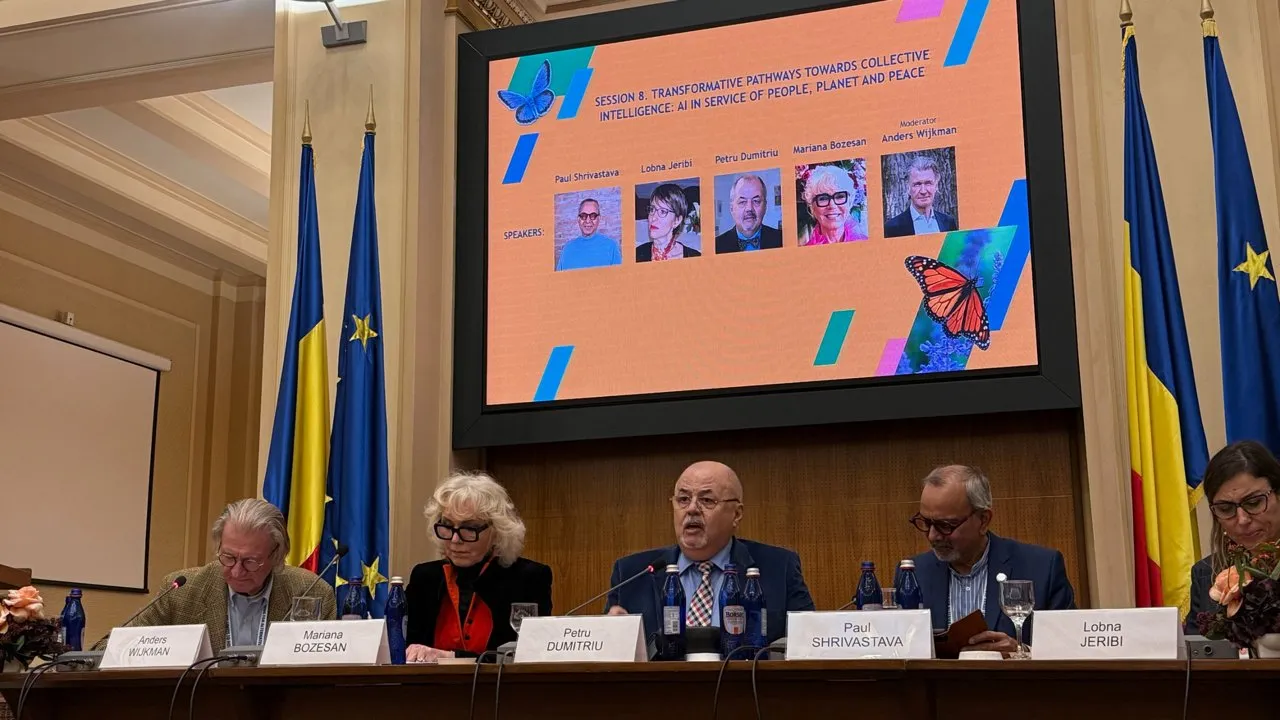
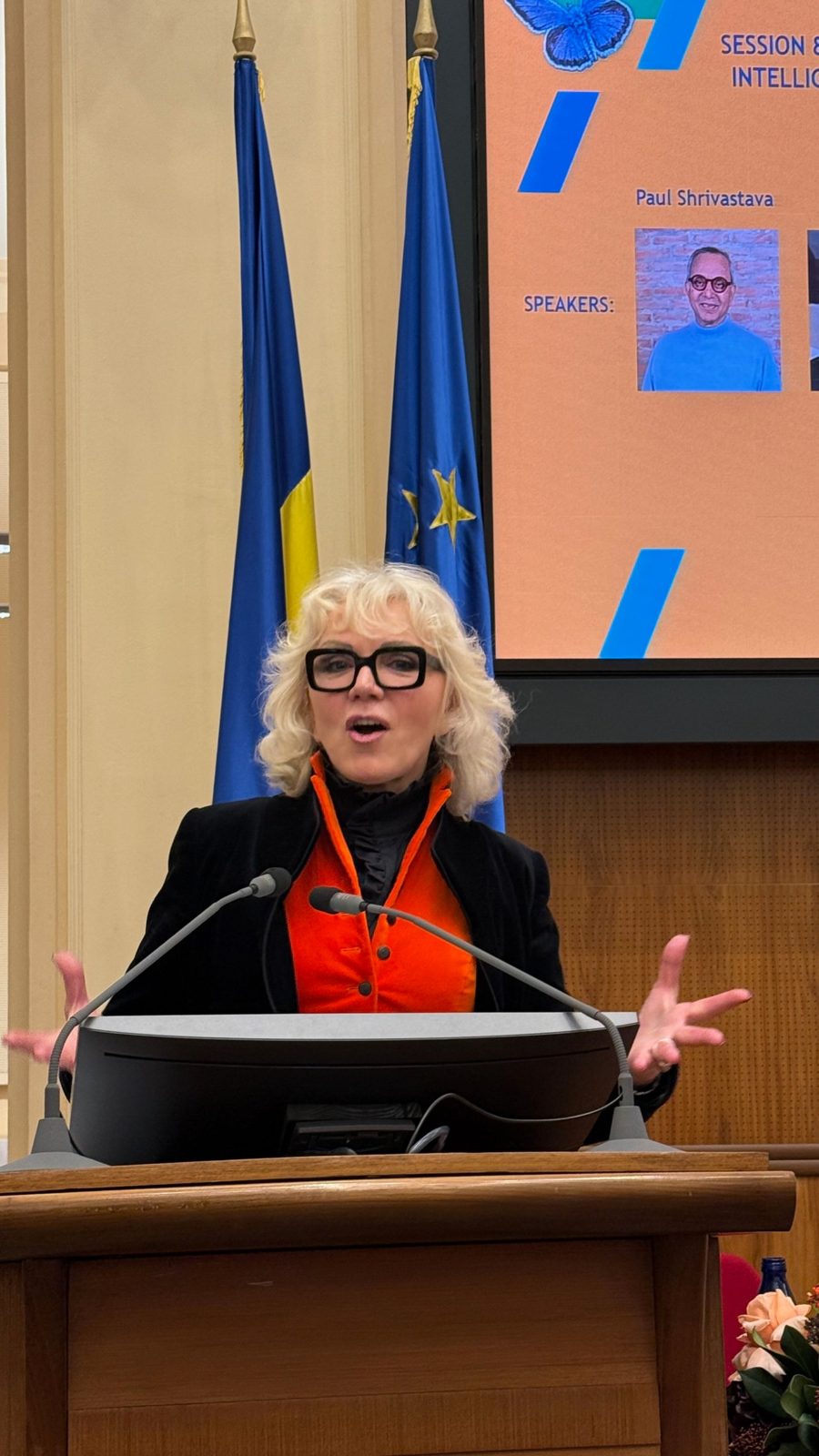
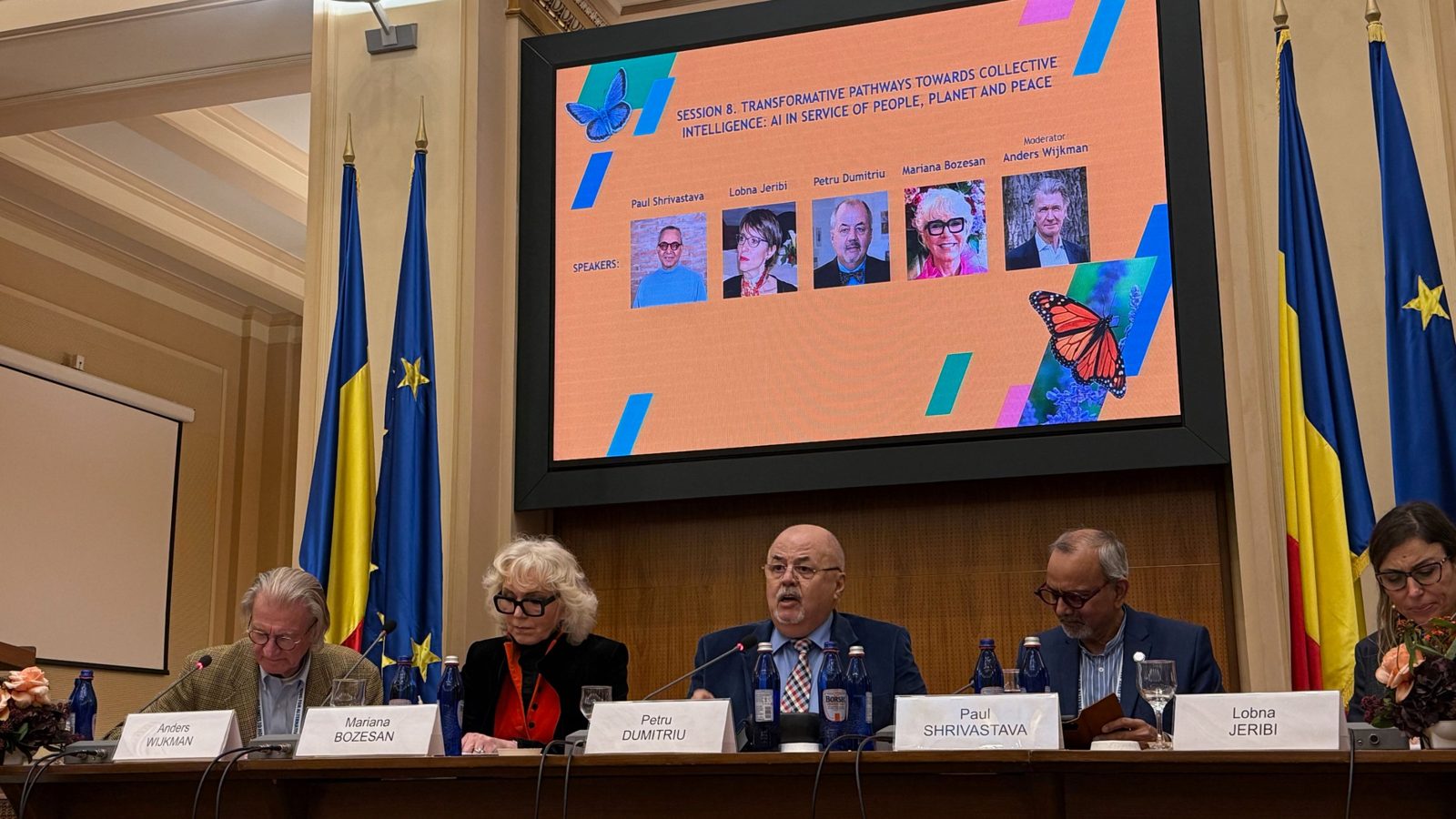
These are the questions I hear most often. They were also at the heart of last week’s Club of Rome conference “No Limits to Hope,” hosted by the National Bank of Romania in Bucharest.
On fear: Could it be that our fear of AI comes from our difficulty relating to exponential growth, because humans are linear thinkers? Meanwhile, AI is already creating new medications and antibiotics, detecting cancer years in advance and soon healing it for good, controlling fusion plasmas and discovering new materials, all of which are enhancing our lives and Earth.
What do you think?
On whom AI serves: I was born in Romania and grew up in a small clay hut in Galați, often going to school hungry. Under Ceaușescu, I saw what happens when a system serves the few and abuses the many. This is why ethical guardrails are a lived necessity for me. I have worked in AI since 1983, signed the Asilomar AI Principles in 2017, and co-authored a Framework for an AGI Constitution in 2023. Every human deserves an AI polymath at their side: a tutor with the patience of Plato and the range of Albert Einstein.
For me, this is a human right.
Do you agree or disagree?
On the planet: Seven of nine Planetary Boundaries are crossed, threatening life on Earth. About 90% of CO2 emissions come from energy, transport, and food production, and existing technology can reverse this today, with AI as the accelerant. But, the political will must follow - currently, it rarely does.
What do you think? How can we change that?
On what makes us human: When a machine is better at everything school rewarded, what remains is love, creativity, compassion, wisdom, and higher stages of consciousness.
We are non-computable.
Question: Is it possible that, what we do not like about AI is what we do not like about ourselves?
In my world, AI invites us to become better humans.
Witnessing the solutions available today makes pessimism look like intellectual laziness. I accept this challenge.
Will you join me?
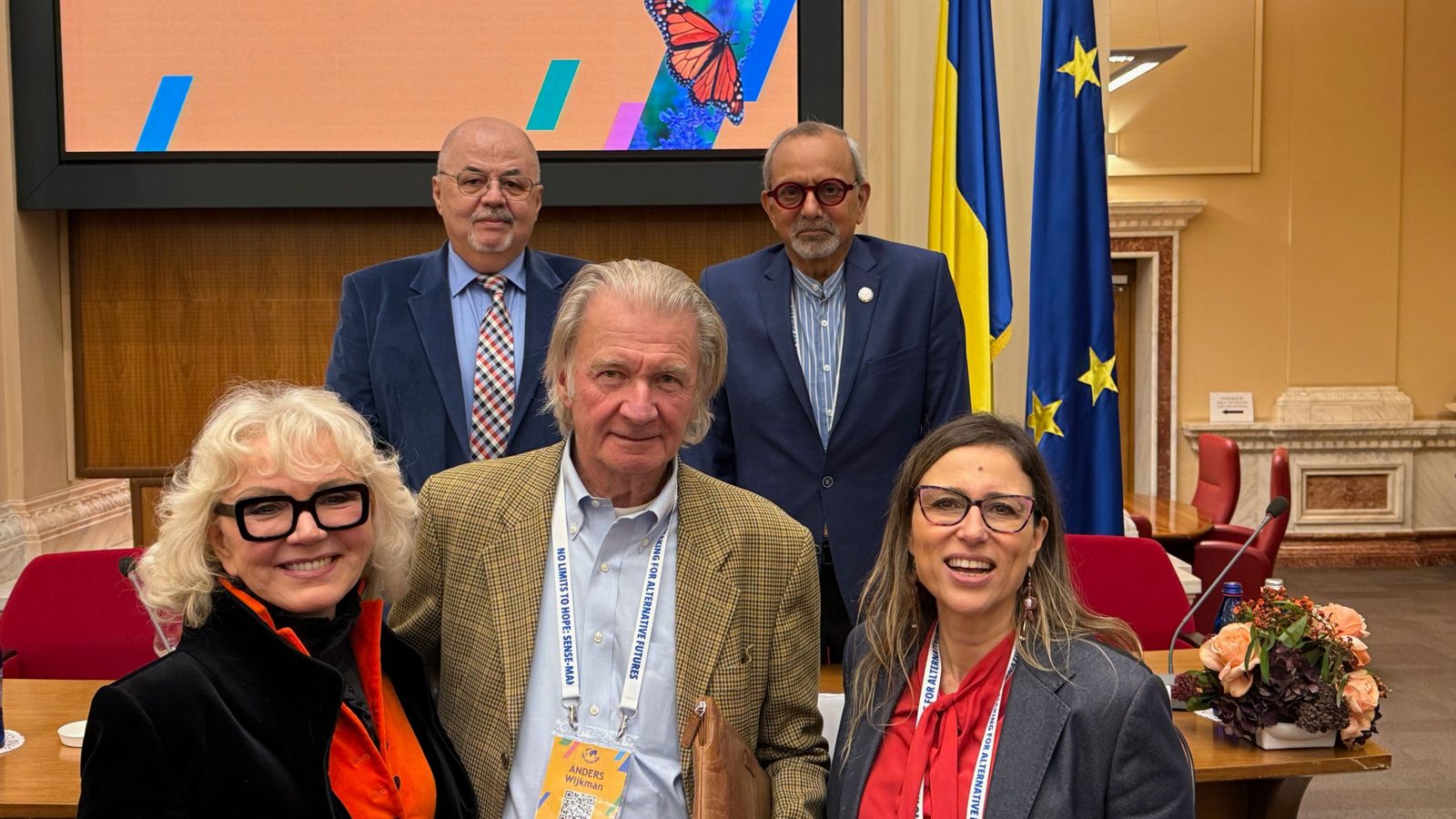
Thank you, my co-panelists Anders Wijkman, Lobna Jeribi, Petru Dumitriu, Paul Shrivastava, the Club of Rome, and the Romanian Association for the Club of Rome, for bringing me back to my roots.
Mulțumesc din suflet!